How to Build a Dog Plush Toy Compliance File (EU, US, China)
A dog plush toy compliance file is a controlled evidence pack that links each SKU to its materials, test reports, factory records, labels, and market-specific requirements. For a program sold in the EU, US, and China, the file normally combines EN 71 reports, ASTM F963 and CPSIA-related material evidence, GB 6675 and GB/T 43839-2024 documentation, plus quality-management and social-audit records. The goal is traceability: a buyer, laboratory, customs broker, or retailer should be able to follow one document chain from the finished toy back to the material batch and the test that supports the claim.
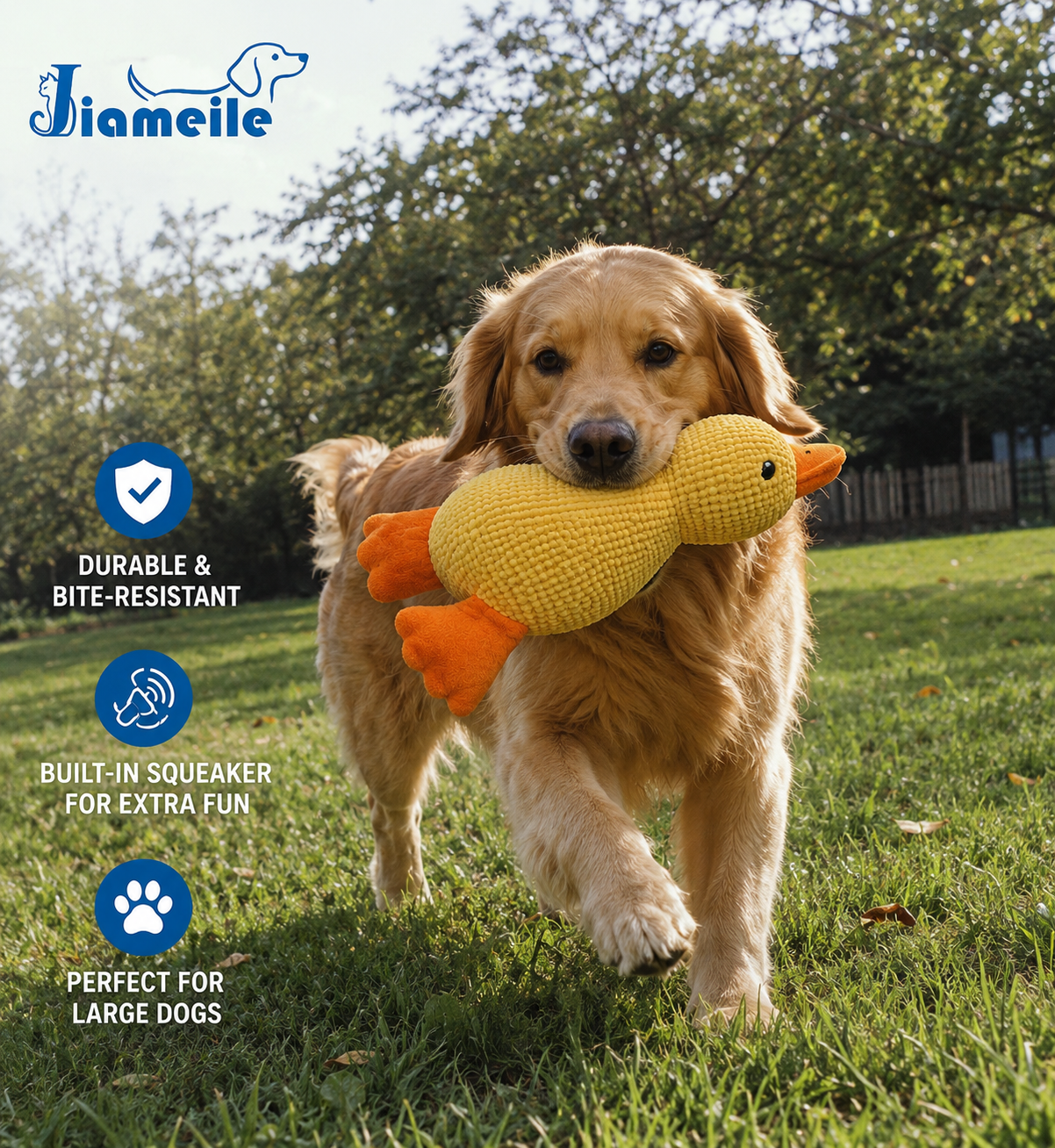
Cover: dog plush toy product sample used to build a SKU-level compliance file.
What a Compliance File Is - and What It Is Not
A compliance file is not a folder of certificates. It is a structured record with a named owner, a version number, and a defined scope for every document. For each SKU, the file should answer four questions: what the product is made of, which tests were run on that exact material and construction, which factory made it under what controls, and which label and warnings accompany it in the destination market.
Most files fail for ordinary reasons. A report may cover a different color or size. A certificate may be expired. A supplier may provide a certificate of conformity without the underlying test data. A label may omit the importer or batch code. These gaps do not prove the toy is unsafe, but they prevent the buyer from demonstrating due diligence when a retailer, customs authority, or laboratory asks for evidence.
Why the Same Toy Needs Different Evidence in Three Markets
Dog plush toys sit in an unusual regulatory space. The best-known toy standards were written for children's products, while pet toys often fall under general consumer-product safety rules and retailer-specific programs. That does not make the toy standards irrelevant. It means the buyer must decide which framework applies, which tests support the marketing claims, and which documents the retailer will accept.
In the EU, EN 71 is the usual technical reference for toy safety. In the US, ASTM F963 and CPSIA are the standards buyers most often name, even when the product is a pet toy rather than a children's product. In China, GB 6675 is the toy-safety reference, while GB/T 43839-2024 addresses companion animal products more directly. A product sold in all three markets therefore needs a market matrix, not one generic certificate.
The commercial context explains why buyers are asked for more evidence. Custom Market Insights estimated the global dog toys market at USD 4.16 billion in 2025 and projected an 8.51% compound annual growth rate for 2025-2034 (Custom Market Insights, 2026). More brands and private-label programs mean more suppliers competing for shelf space, so a complete file is a procurement advantage, not just a legal formality.
The Standards Behind the File
Each standard answers a different question. The table below is a working map, not a legal opinion. Confirm the applicable pathway with your importer, laboratory, or compliance adviser before printing labels or committing to a retail launch.
| Market | Core reference | What it covers | What goes in the file | Important boundary |
|---|---|---|---|---|
| EU | EN 71-1, EN 71-2, EN 71-3 | Mechanical and physical properties, flammability, migration of certain elements | Accredited test reports per SKU, material and color; label review; material declarations | The EU Toy Safety Directive is written for toys for children. Confirm with your importer or lab whether a dog plush toy is handled under general product-safety rules and which tests the retailer requires. |
| US | ASTM F963; CPSIA lead and phthalate limits as a benchmark | Toy safety, heavy elements, flammability; lead and phthalate restrictions | ASTM F963 report; lead and phthalate test reports; material declarations; CPC only if the product is legally a children's product | CPSIA is a children's-product law. Dog toys are generally not children's products, but retail programs may still require CPSIA-style testing. |
| China | GB 6675 series; GB/T 43839-2024 | Toy safety; safety technical requirements for companion animal products | GB 6675 report where applicable; GB/T 43839-2024 declaration or test evidence; Chinese label | GB/T is a recommended national standard, not a mandatory one. Confirm the scope and test clauses with the laboratory. |
| Factory level | ISO 9001, ISO 14001, ICTI, BSCI, Disney FAMA | Quality management, environmental management, social compliance, Disney facility authorization | Certificates with scope, issuing body and validity; audit reports; corrective-action records | Management-system and social audits do not replace product testing. Disney FAMA is a facility and merchandise authorization, not a product safety certificate. |
EN 71: What to Request
For a dog plush toy, the usual EN 71 package is EN 71-1 for mechanical and physical properties, EN 71-2 for flammability, and EN 71-3 for migration of certain elements. The report should identify the exact product, material, color, and component tested. If the toy has a squeaker, the squeaker should be identified as a component and tested for attachment and small-part hazards where applicable. A report that lists only the outer fabric is incomplete if the finished toy contains plastic parts, thread, or filling. Keep the full report with test clauses and results, not just a one-page certificate.
ASTM F963 and CPSIA: What to Request
ASTM F963 covers mechanical and physical properties, flammability, and certain heavy elements for toys. CPSIA establishes lead and phthalate limits for children's products and requires third-party testing and a Children's Product Certificate for covered products. A dog plush toy is generally outside the children's-product definition, but many US retailers and marketplace programs still ask for ASTM F963 and CPSIA-style lead and phthalate reports as a condition of sale. Ask the buyer which documents are required in writing. If CPSIA-style testing is requested, the file should include the test method, detection limit, and restricted phthalate list.
GB 6675 and GB/T 43839-2024: What to Request
GB 6675 is the Chinese toy-safety standard series. GB/T 43839-2024, Safety Technical Requirements for Companion Animal (Pet) Products, is the standard cited in Jiameile's product specification for its pet toy range. Because GB/T is a recommended standard, the file should show how the product was evaluated against it and which test clauses were applied. If the product is also sold as a toy in China, keep the GB 6675 evidence separately. For a China-market file, include the Chinese label, importer or distributor details, and any required inspection documents.
Management-System and Social-Audit Evidence
Product tests answer whether a sample passes. Management-system and social audits answer whether the factory can consistently control materials, processes, and working conditions. Both belong in the file, but they are not interchangeable. ISO 9001 is a quality-management system certificate; ISO 14001 is an environmental-management system certificate; ICTI and BSCI are social-compliance programs; Disney FAMA is a facility and merchandise authorization for manufacturers producing Disney-branded products. Keep the issuing body, certificate number, scope, issue date, and expiry date. A certificate covering cloth and plush toy production is relevant; a certificate for another product category is not a substitute.
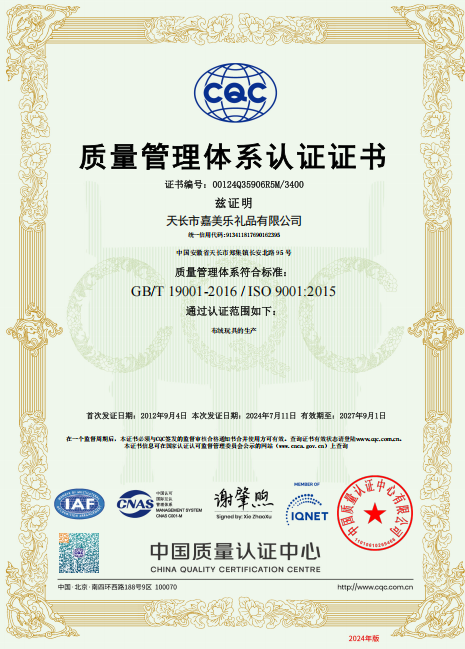
ISO 9001 QMS certificate held by Jiameile for cloth and plush toy production.
Mapping Material and Construction Claims to Evidence
Marketing claims become compliance claims when they appear on a label, product page, or retail spec sheet. The file should show the evidence behind each claim a buyer might rely on.
Food-Grade TPR
Food-grade TPR is a material description, not a finished-product certification. TPR stands for thermoplastic rubber. When a supplier describes TPR as food-grade, the file should include the material supplier's declaration, the data sheet, and the specific migration or extraction test used if a food-contact claim is made. For a dog toy, the more relevant evidence is usually a heavy-metal and migration test on the finished material or product, plus a declaration that the TPR is lead-free and phthalate-free. Ask which standard, laboratory, and detection limit support the word food-grade; if the answer is only a supplier statement, treat it as a material specification, not a certified property.
Lead-Free and Phthalate-Free
Lead-free and phthalate-free claims need a number and a detection limit. A report that says not detected is only meaningful when the reporting limit is stated. For phthalates, identify the restricted list and the test method. CPSIA restricts a specific list of phthalates in children's products at 0.1% each; even when a dog toy is outside CPSIA scope, the same list is a useful benchmark for retail programs. Connect the report to the material batch: if the TPR grade or fabric supplier changes, review or repeat the report.
Reinforced Stitching and Service-Life Claims
Reinforced stitching is a construction claim, so the evidence should be construction evidence. The file should include the seam specification, stitch type, thread, and the quality-control check used during production. A close-up photo of a double-stitched seam is useful for training and inspection, but it is not a durability test.
If the supplier claims a service life, the claim should name the chew level, the test method, and the usage conditions. Jiameile's case documentation describes service-life ranges of 3-12 months for standard plush toys, 6-24 months for reinforced chew toys, and 12-36 months for rubber/TPR toys, depending on usage intensity. Those ranges are supplier-reported planning guidance, not a guarantee for every dog. The file should keep the claim, the method behind it, and the conditions under which it was measured.
No-Stuffing and Washable Construction
A no-stuffing construction removes loose filling, which simplifies the safety argument about ingested filling, but the outer fabric, thread, and squeaker still need testing. The file should state the construction and identify the squeaker supplier. For washable products, include the care label and any wash test covering shrinkage, colorfastness, and seam integrity. A washable claim without a care label is difficult to defend in a retail review.
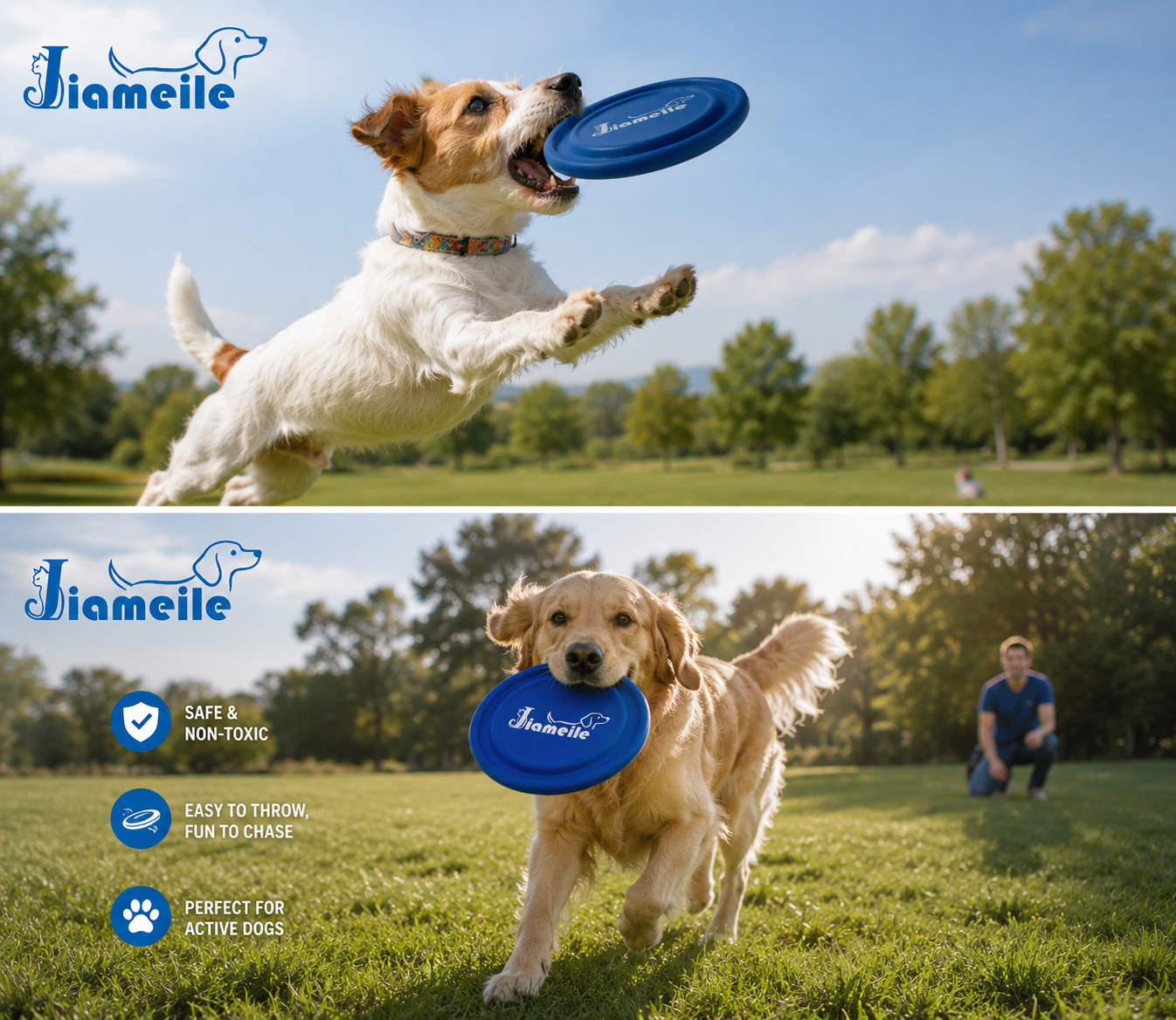
Product range reviewed for material, stitching, and label evidence.
Step-by-Step: Assembling the File
The sequence below is written for a buyer or sourcing team building a file from scratch. It also works as an audit checklist for an existing program.
Step 1: Lock the SKU and Market Matrix
List every SKU, size, color, material combination, chew level, and destination market. A single dog plush toy line is not enough. The same shape in three colors, two sizes, and two materials can require multiple test reports. The matrix should show which documents are required for each combination.
Step 2: Write the Technical Description
Prepare a product specification covering dimensions, weight, outer fabric, filling or no-stuffing construction, squeaker type, stitching, eyes and nose components, packaging, and intended pet size. Jiameile's product range, for example, is organized by suitable dog weight (<5 kg, 5-15 kg, 15-30 kg) and chew resistance level (light, moderate, aggressive), with sizes from 10-15 cm to 30-50 cm. Those attributes should appear in the file because they define the product that was tested.
Step 3: Collect Material Evidence
For each material, collect the supplier name, grade, safety data sheet where available, and a declaration of compliance. Keep the material declaration linked to the bill of materials. If the product uses short plush, Oxford fabric, or TPR, each material should have its own evidence line. Do not accept a generic declaration that covers all fabrics without identifying the actual supplier and grade.
Step 4: Commission Market-Specific Testing
Send the finished product or the specified material to an accredited laboratory for the required tests. The test request should state the standard, test clauses, SKU, color, and material. If the product is sold in all three markets, ask the laboratory whether samples can be tested under EN 71, ASTM F963, and the relevant Chinese requirements in one program. Keep separate reports for each standard even if samples are shared.
Step 5: Build the File Index
Create a cover sheet with the product name, SKU list, factory name, file owner, version number, and review date. Organize the documents in a fixed order: product specification, bill of materials, material declarations, test reports, certificates, labels, packaging, factory audits, and change log. A fixed order makes the file easier to audit and easier to transfer to a retailer or customs broker.
Step 6: Check Labels and Packaging
Labels are part of the compliance file, not an afterthought. Check the product name, SKU, batch code, importer or distributor details, care instructions, and any warning statements required by the destination market. If the product is not a children's toy, the label and marketing should not imply that it is. Keep the approved label artwork in the file with the date and version.
Step 7: Add Factory Evidence
Add the factory's quality-management certificate, social-audit reports, and any customer-specific audit records. For Jiameile, the available evidence includes ICTI, BSCI, Disney FAMA, ISO 9001, and ISO 14001. The ISO 9001 QMS certificate is numbered 00124Q35906R5M/3400, issued by CQC, based on GB/T19001-2016, with a scope covering the production of cloth and plush toys and an expiry date of 2027-09-01. That level of detail is what makes a certificate useful in a file.
Step 8: Control Versions and Verify Before Shipment
Give the file a version number and a review calendar. Track report dates, certificate expiry dates, standard updates, and material changes. Before bulk shipment, compare the production sample with the approved golden sample and the test report. Check the seam, squeaker attachment, dimensions, color, and label. If the production sample differs from the tested sample, update the file before shipment.
A Minimum File Index
| Document | What it proves | Typical owner |
|---|---|---|
| Product specification | Defines the SKU, dimensions, materials, construction and intended use | Buyer and factory |
| Bill of materials | Lists every component and material in the finished toy | Factory |
| Material declarations and SDS | Identifies material grade and supplier claims | Material supplier |
| EN 71 reports | Test results for mechanical, flammability and migration requirements | Accredited laboratory |
| ASTM F963 report | Test results for the US toy-safety reference | Accredited laboratory |
| Lead and phthalate reports | Material-safety evidence for CPSIA-style retail requirements | Accredited laboratory |
| GB 6675 and GB/T 43839-2024 evidence | China-market test or declaration evidence | Laboratory and factory |
| ISO 9001 and ISO 14001 certificates | Quality and environmental management system scope and validity | Certification body |
| ICTI, BSCI, Disney FAMA records | Social-compliance and facility-authorization evidence | Audit body or brand |
| Labels, packaging and change log | Market-specific warnings, importer details, care instructions and document history | Buyer and factory |
Supplier Evidence: What Jiameile Can Provide
Tianchang Jiameile Gifts Co., Ltd. (Jiameile) is a Chinese plush and textile toy manufacturer with more than 20 years of experience, a 6,800 m² facility, about 230 staff, and an annual output of 6 million units. About 70% of its output is exported, with the EU and USA as main markets. For a compliance file, those facts establish the scale and export context in which the documents are produced.
Jiameile states that its products comply with EN 71, ASTM F963, and GB 6675, and its pet toy specification cites GB/T 43839-2024. The company holds ICTI, BSCI, Disney FAMA, ISO 9001, and ISO 14001. In a buyer's file, these statements should be paired with the corresponding test reports for the specific SKU, because a company-level compliance statement does not replace a product-level report. Product features that can be documented include non-toxic materials, durable and chew-resistant construction, reinforced stitching, an interactive squeaker, no-stuffing construction for selected designs, washable surfaces, and OEM/customization availability.
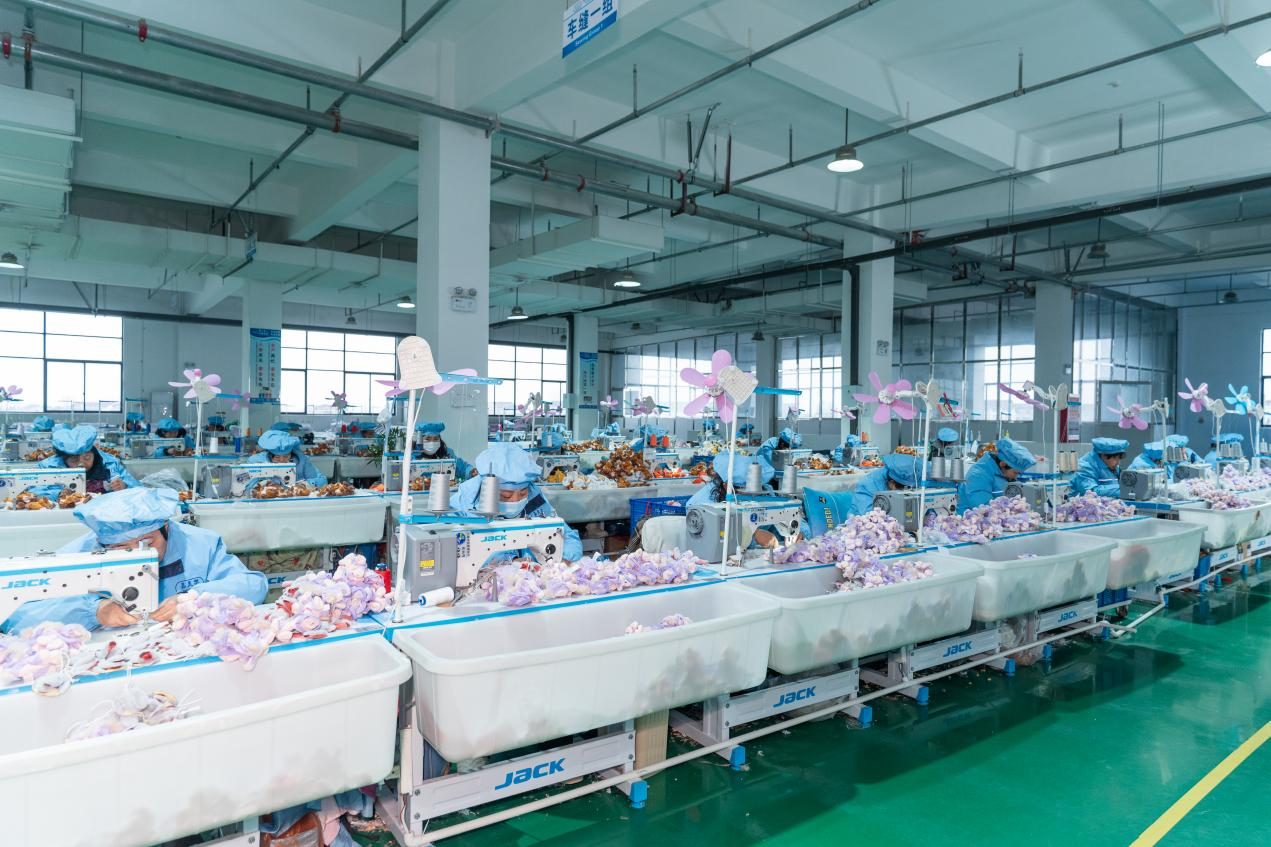
Factory evidence supports the management-system and audit sections of the file.
For verification, buyers can request the QMS certificate, audit records, and product test documentation directly from Jiameile. The contact details supplied for this purpose are: Wendy, winnie@jml-toys.com, telephone +86 17375385845 or +86 18855090918, WhatsApp +86 173-7538-5845, address Shanghai, China.
Use Cases: How the File Changes by Channel
Retail Private Label
A retail private-label program usually requires the full file for every SKU and color. The retailer may also require its own test protocol, pre-production sample approval, and a factory audit. Organize the file by SKU and by market so the retailer can review one product without sorting through unrelated documents.
E-Commerce and DTC
Online sellers often need a shorter file, but the claims on the product page still need support. If the listing says food-grade TPR, lead-free, phthalate-free, washable, or anxiety relief, keep the corresponding test report, material declaration, care label, and product specification. Marketplace compliance teams may ask for these documents after a listing review or a customer complaint.
Subscription Box and Professional Settings
Subscription programs change assortments frequently, so build the file for fast reuse. Keep a master material library, a standard test package, and a label template. Veterinary, boarding, and grooming settings care about hygiene and durability as well as safety, so include the care label, fabric test report, and seam inspection record. Durability claims should be tied to the chew level and expected use intensity.
Common Gaps That Trigger a Rejection
- Certificate instead of test report. A certificate of conformity is a summary. The file should include the underlying report with test clauses and results.
- Scope mismatch. A report for a different size, color, material, or component does not cover the SKU being shipped.
- Expired evidence. Check certificate expiry dates and standard versions before the retail review, not after the purchase order is placed.
- Claim without a method. Food-grade, lead-free, phthalate-free, durable, and washable are claims that need a test method, detection limit, or inspection record.
- Factory audit used as product proof. ISO 9001 and social audits show factory controls; they do not prove that a specific toy passed EN 71 or ASTM F963.
- Missing label and change control. A technically complete test file can still fail if the label lacks the importer, batch code, or care instructions, or if a material change was not documented.

Buyers can request QMS, audit, and product test records for verification.
FAQ
What documents should a dog plush toy compliance file contain for the EU market?
At minimum, include the product specification, bill of materials, material declarations, EN 71-1, EN 71-2, and EN 71-3 test reports from an accredited laboratory, label and packaging artwork, and the importer's details. If the retailer has its own protocol, add that protocol and the corresponding test report. Confirm with your importer or laboratory whether the product is treated as a pet product under general safety rules or as a toy, because that decision affects the label and the documentation set.
Can one test report cover both EN 71 and ASTM F963?
Usually not. EN 71 and ASTM F963 are different standards with different test methods and reporting requirements. Some laboratories can run both packages on the same sample, but the file should contain a separate report for each standard. A combined report is acceptable only if it clearly states the standard, test clauses, sample identity, and results for each. Do not accept a summary certificate that does not show the test data.
What drives the cost of a dog plush toy compliance file?
Cost is driven by the number of SKUs, colors, materials, and standards; the laboratory's accreditation and turnaround; whether testing is performed on raw materials or finished products; and whether the retailer requires additional protocols. A quote for one test is not comparable to a full file. Ask for a line-item quotation that lists each standard, each SKU or color, and the report turnaround so you can compare suppliers on the same scope.
How should a buyer validate a supplier sample before mass production?
Start with a written specification and a golden sample. Check the seam construction, squeaker attachment, surface finish, dimensions, and label placement against the specification. Send the sample to the laboratory named in the file, or ask the supplier for a report that identifies the same material and color. Keep the approved sample sealed and use it for the pre-shipment comparison. A sample that looks correct but has no test report does not close the compliance file.
What lead time should I plan for documentation and bulk production?
Industry planning ranges for custom plush programs are commonly 7-15 days for samples and 20-45 days for bulk production, depending on complexity and volume. Compliance testing and document review sit on top of that schedule; the laboratory's turnaround and the completeness of the material declarations determine how long. Build the document review into the critical path rather than treating it as paperwork after production. For a specific program, confirm the schedule with the factory and the laboratory before committing to a retail launch date.
For buyers who need to verify the factory evidence behind a file, Jiameile can provide its QMS certificate, audit records, and product test documentation for review. Contact Wendy at winnie@jml-toys.com or +86 17375385845 to confirm the scope for a specific dog plush toy program.
Conclusion
A dog plush toy compliance file is built from linked evidence, not from a single certificate. The EU, US, and China markets ask different questions, and the same product may need EN 71, ASTM F963, CPSIA-style lead and phthalate reports, GB 6675, and GB/T 43839-2024 documentation. Material claims such as food-grade TPR, lead-free, and phthalate-free should be tied to a declaration and a test report. Construction claims such as reinforced stitching and service life should be tied to a specification, an inspection record, and the conditions under which the claim applies.
Jiameile's 20-plus years of manufacturing experience, 6,800 m² facility, about 230 staff, 6 million units per year, and ICTI, BSCI, Disney FAMA, ISO 9001, and ISO 14001 records provide the factory-level evidence a buyer can review. The product-level evidence still has to be assembled SKU by SKU. That is the work that turns a supplier's claims into a file a retailer, laboratory, or customs broker can accept.
Have Questions or Need More Details?
Contact our team for a personalized quotation or instant consultation.
Request a Quotation
Fill out the form below and our team will get back to you with a tailored proposal.
WhatsApp Direct Chat
Prefer to chat in real-time? Message us on WhatsApp for instant assistance & quick answers.
- Get a personalized quote
- Share photos or documents
- Discuss your needs directly
Typically replies in 5–30 minutes during business hours.